New Zealand got rid of the crime of blasphemy in 2019. Now a seven-year lobbying campaign wants religion written back into our speech laws before the election, and it is closer to winning than most New Zealanders realise.
Call it hate speech law. Call it incitement reform. Call it whatever you like. If a law can punish you for bringing a religion into ridicule, it is a blasphemy law.
Stopping laws like this is why we exist. We are asking every party leader to rule it out, on the record, before you vote.


No new crime, and no new civil offence, built on words like hate, hostility, contempt or ridicule. Not in any law, not in the next term of Parliament.
No new groups added to the incitement provisions of the Human Rights Act 1993. That includes religious belief.

The Federation of Islamic Associations of New Zealand has spent recent years pressing party after party to add religious belief to the incitement provisions of the Human Rights Act. Its spokesperson Abdur Razzaq makes the argument plainly: the law protects race and ethnicity, so why not faith?
Here is why not. Race is what you are. Faith is what you believe. A religion is a set of claims about the world, about how to live, about who is saved and who is damned, and claims exist to be questioned, mocked and rejected. The moment the state protects a belief from ridicule, it has taken a side in theology. That is what Pakistan’s blasphemy code does. It is not something New Zealand should do.
FIANZ wants Parliament to go back to the Royal Commission’s hate speech recommendations and finish the job.

Section 131 of the Human Rights Act already makes it a crime to publish words intended, and likely, to bring a group into contempt or ridicule. Add religious belief to that list and you have created a criminal offence of bringing a religion into ridicule.
Read that again. Ridicule. Not violence. Not threats. Not harassment. Those are already crimes and they stay crimes. Ridicule.
On paper, the offence would protect believers, not beliefs. In practice, that distinction lasts until the first complaint. Write that a religion’s rules for women belong in the seventh century, and whether you have brought its followers into contempt becomes a question for police, prosecutors and judges to answer. You find out at the end. The process is the punishment.
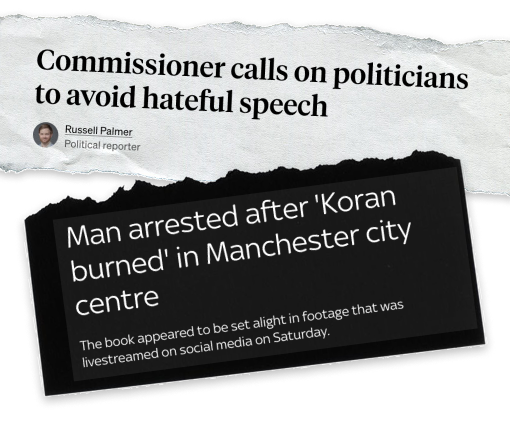
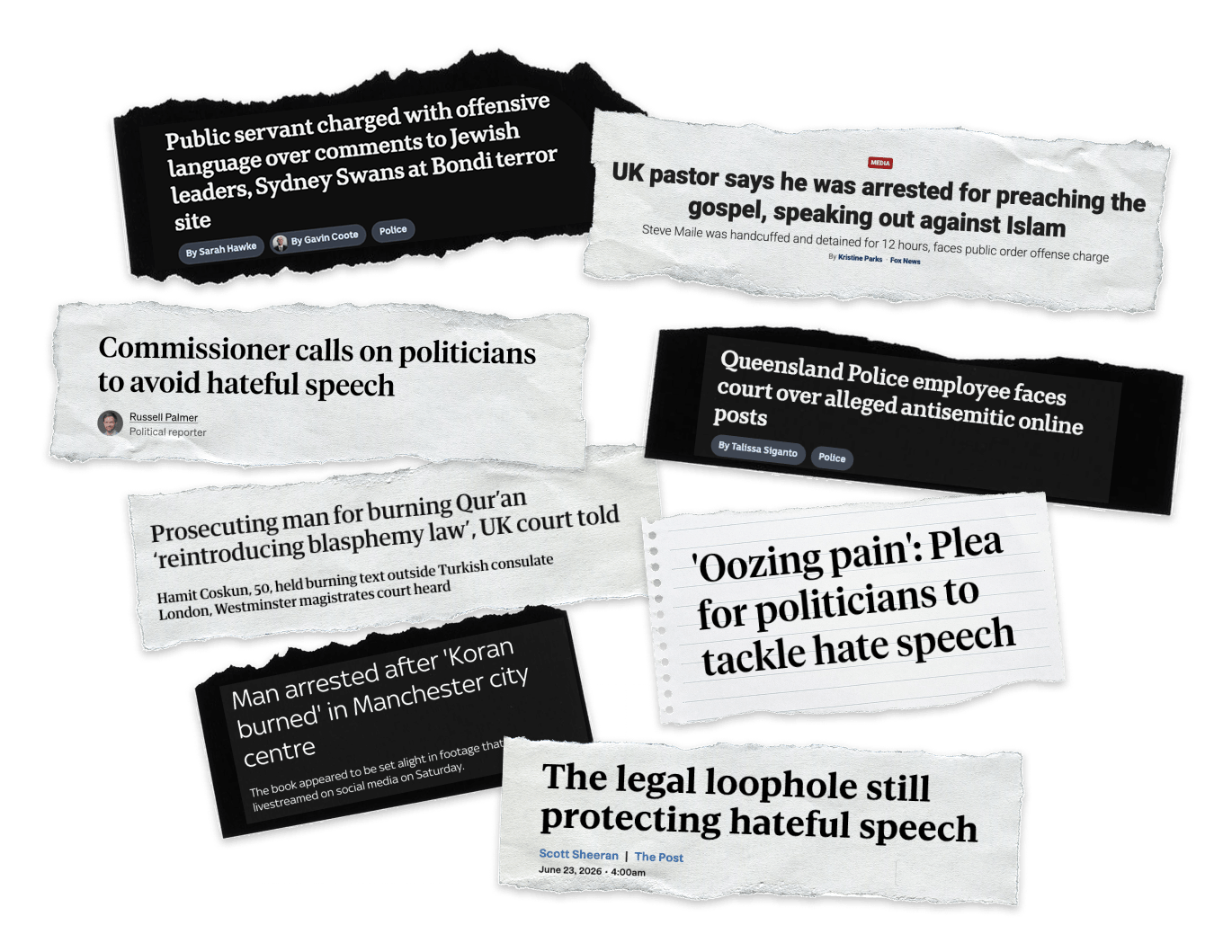
That is a blasphemy law. Parliament abolished the old one in 2019 because it had no place in a country that protects free expression. Seven years later, the same offence is being walked back in through a different door.
The Greens and Te Pāti Māori both back legislating against hate speech. National says there is no need for it. ACT wants the laws we already have enforced instead of new ones written. NZ First blocked hate speech legislation once before, in government, and has said nothing about it this term.
Which leaves Labour. Asked where it stands, Labour says it will release a detailed policy in due course. It has been saying a version of that since 2021. Its justice spokesperson calls the Law Commission’s recommendations unfinished business.
Two parties want this. Three say no, or have stopped it before. One is running out the clock until after you have voted.


Three numbers matter here, and not one of them is ours. They come from the police forces, governments and courts that run these laws.

of complaints turned out to be crimes
Scotland’s Hate Crime and Public Order Act came in on 1 April 2024. In the first week Police Scotland got 7,152 online hate reports. 240 were recorded as hate crimes. Scotland’s First Minister said the law was being weaponised by people filing complaints in bad faith.

arrests in a single year
Arrests in England and Wales in 2023, under two loosely worded communications offences. That is about 33 people a day, up from 7,734 in 2019. Sentencings that same year: 1,119, down by almost half since 2015. Plenty of arrests. Very few of them go anywhere. The process is the punishment.

‘hate’ incidents logged that were not crimes
Recorded against people in England and Wales since 2014. By definition, for behaviour that was not a crime. That is the machine New Zealand is being asked to build.


“I will not support the creation of new speech offences, or the extension of sections 61 and 131 of the Human Rights Act 1993 to further protected characteristics, in the next parliamentary term.”

Promoted by Free Speech Union, PO Box 10423, The Terrace, Wellington 6143